The "stumble" is the result of a small air leak in the casting, which has been resolved in the production units. The change to fix this was implemented at the same time that the runner length was changed in the tooling. We NEVER experienced this in any of our testing (of the original long runner prototypes), but that is because the ones that we were using did not have any leaks. It wasn't until we received third party feedback that we were even aware that there was a potential leak issue. We have also revised how the manifold is machined in order to ensure the best possible port alignment and overall fitment. We feel that the production parts are about as good as we are going to get in that respect, and the testing that went into these refinements is what postponed the release of the product.
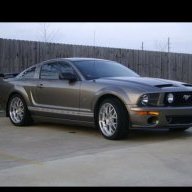
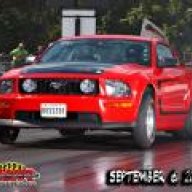
Your gain of 10 more HP over the delete plates on a stock engine is in line with what we would expect for your setup. The performance of the shorter runner version would be comparable to what you are now seeing, but will be better once you have the cams installed and are taking the engine above 6,300 RPM. The "original" prototype runner configuration was tuned to develop power to just over 6,000 RPM. All of our in-house testing was done on engines that were mildly modified (such as yours), and it wasn't until we received third party feedback (from companies like Livernois) that we realized that we needed to adjust the runner length in order to ensure that more heavily modified setups get the full benefit that the intake can deliver. On an engine with both cams and good flowing heads, the shorter runner makes an additional 15 MORE HP above 5,500 RPM over what you will see with the "longer" runner design. You would need to be making about 350 or more rear wheel horsepower in order to see this difference with the shorter runner production piece.
Testing of the "short runner" production style manifold on a totally stock engine has shown gains of anywhere between 11 to 14 HP above 5,000 RPM. The dyno chart is on our website. With your current configuration, performance should be basically the same even if you were to switch to the short runner production intake. The shorter runner version REALLY starts to show it's worth on engines with cams, but more specifically, engines with cams and better flowing heads. Muscle Mustangs recently tested the very FIRST production intake on a car that is owned by Hurricane Performance, and their results over the stock intake (with delete plates already installed) was VERY impressive. We can't discuss numbers until the issue hits the news stands, but it was in line with what I would expect for an engine that was already making 400 HP with the stock intake manifold.
We will be shipping as many intakes as we can on Monday, starting with the oldest pre-orders and working our way forward to the most recent. ALL pre-orders and any new orders should be filled over the next 2 to 3 weeks. I am sorry for those who have been waiting, but we want this product to be as good as it possibly can be.
I know that you tried calling yesterday and today to speak with me, but I have been pre-occupied with preparing 2010 intake system parts for shipment. Doug told me that you were active on here, so I figured I would check in and give you an explaination...
Lee