Um, no. PLEASE research before you hit the "Submit" button, you're developing a LONG history of wildly inaccurate posts. As a matter of fact, a better idea would be to refrain from hitting the "Submit" button at all until you have data to post from personal experience.
I have asked Pentalab the same thing many times - READ MORE and POST LESS. He got into some weird diatribe via PMs then said he'd leave the forum, for which I thanked him. That lasted about 48 hours, but now he is back spewing rumors, inaccurate data and general nonsense.
I really don't get why he keeps doing this...

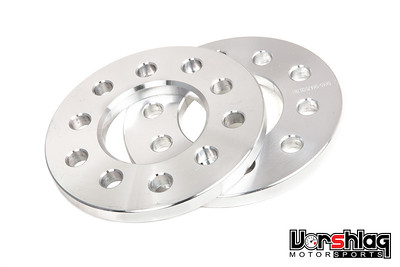
My personal opinion is that if you are going to run a spacer, at all, you should go to hardened, extended-length studs. Period. Note that I'm making the assumption that anybody reading in this forum (Corner Carvers) is NOT doing things to look cool at Cars & Coffee, but will be placing significant loads into the suspension, so factor that in when disputing my opinion. With a proper spacer (hub-centric, tight lug pocket dimensions) and good studs, I would and have had no problem running spacers upwards of 2.5" but I wouldn't even use a 5mm spacer with the stock studs. Again, personal opinion.
Agreed 100%. The stock wheel studs just aren't long enough to safely use with any additional wheel spacer.

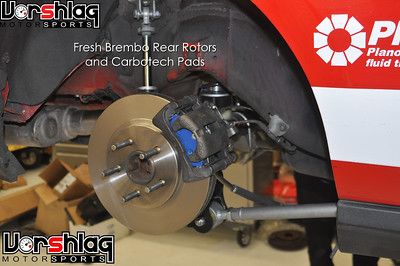
The front is so easy to add long ARP wheel studs to, and can be done with your periodic track maintenance of
changing the front hubs out. Yes, this is a wear item. Do you do track events in your S197 and you're still on the stock front hubs? Please watch the video below then TEST THIS ON YOUR CAR.

The rear studs are a different part number than what's used up front, and its best to install these with the axles out of the car so you can use a proper hydraulic press to extract the old studs and install the new 3" ARP units. Most folks do the front studs first, as that's where you usually install wheel spacers. Sometimes you need them at both ends, like we do on our 345mm rear tires with 18x12s. If so, get studs installed at both ends.
Tech inspectors at race and track events like to
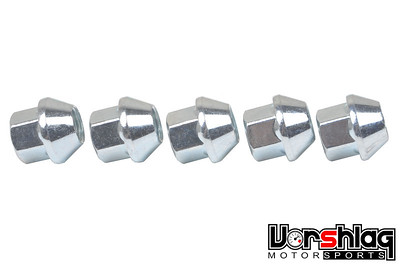
see full thread engagement and nothing makes them happier than seeing an OPEN lug nut with a stud clearly sticking through it.
The rule is "one diameter's worth of thread engagement", so on a 1/2-20 threaded Ford stud you need 1/2" of engagement, or 10 full turns. With longer open lug nuts, like we use and sell, you can get much more than that.
Cheers...